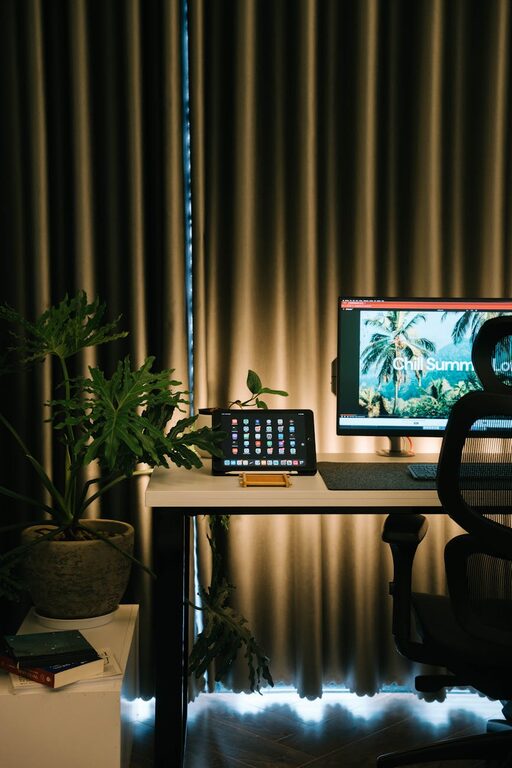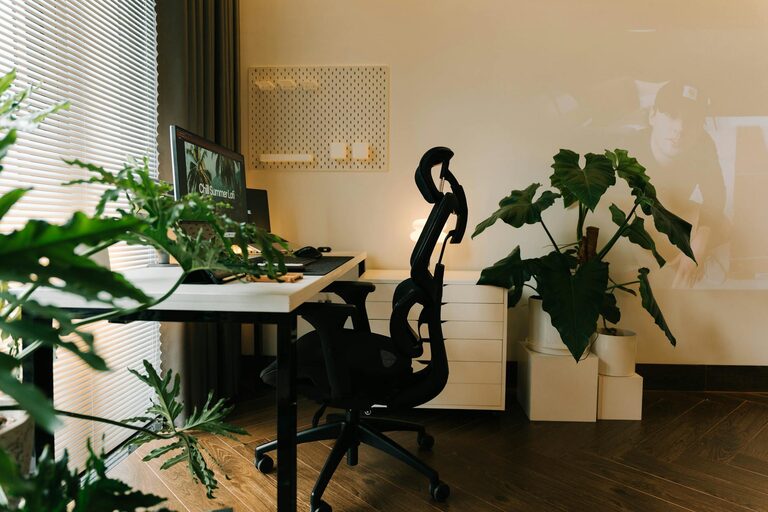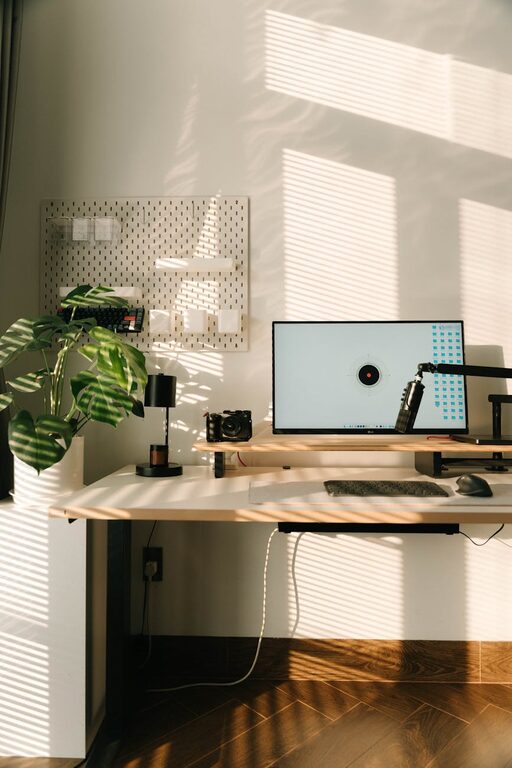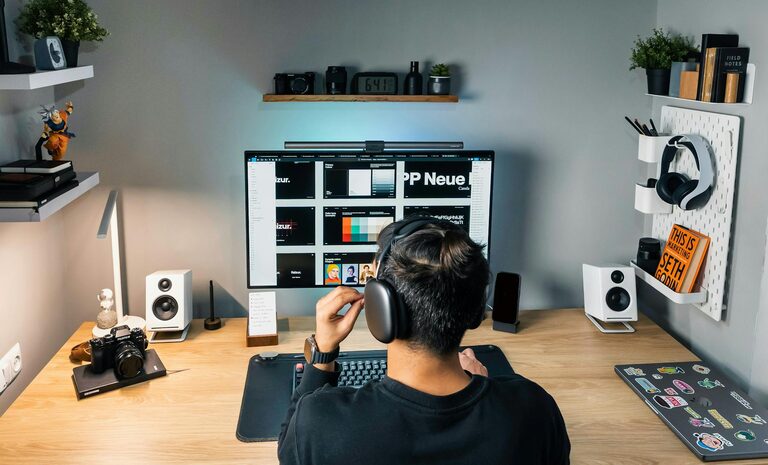
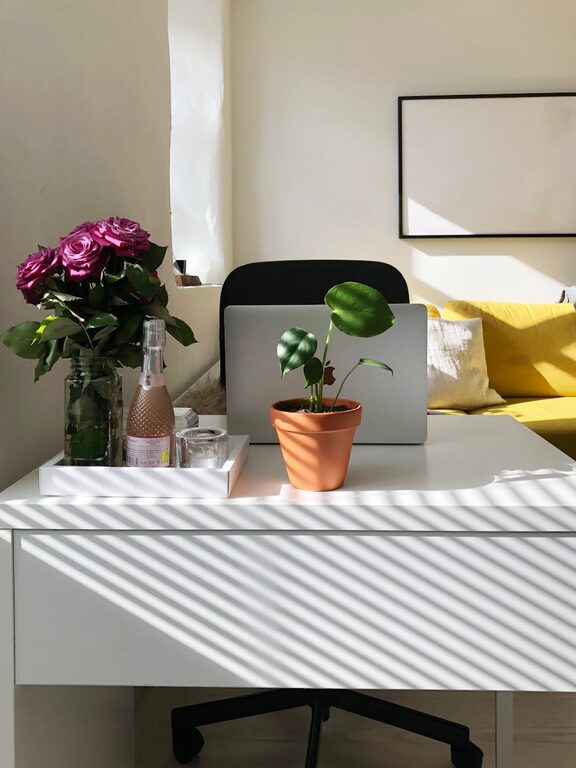
Creating a home office that’s both cozy and functional is key to maintaining productivity and comfort while working from home. Whether you have a dedicated room or just a small corner, thoughtful design can make a big difference. This guide covers practical tips to help you build a workspace that feels inviting and supports your work needs.
Choose the Right Location
Selecting the ideal spot for your home office is the first step. Consider an area with:
– Natural Light: Sitting near a window can boost mood and reduce eye strain.
– Quiet Environment: Find a space away from household noise and distractions.
– Adequate Space: Make sure there’s enough room for your desk, chair, and any essential equipment.
If space is limited, a corner in the living room or bedroom can work, as long as it’s organized well.
Invest in Comfortable Furniture
Your furniture plays a big role in comfort and productivity.
Ergonomic Chair
A supportive chair helps prevent back pain and fatigue. Look for features such as adjustable height, lumbar support, and comfortable padding.
Functional Desk
Choose a desk with enough surface area for your computer, writing materials, and accessories. Adjustable desks or standing desks offer flexibility and encourage movement.
Additional Seating
If you have space, add a small armchair or footrest for relaxation during breaks.
Optimize Lighting
Good lighting reduces eye strain and creates a welcoming atmosphere.
– Blend Natural and Artificial Light: Use daylight when possible; supplement with desk lamps or overhead lights.
– Adjustable Lamps: Task lighting allows you to focus on specific areas without glare.
– Warm Light Bulbs: They create a cozy ambiance, especially in the evening.
Organize Your Workspace
A tidy desk helps maintain focus and efficiency.
– Storage Solutions: Use shelves, drawers, and filing cabinets to keep supplies organized.
– Cable Management: Clip or hide cables to reduce clutter.
– Desktop Organization: Limit items on your desk to essentials and use organizers for pens, documents, and gadgets.
Personalize Your Space
Adding personal touches makes your office feel more inviting.
– Decor: Pictures, plants, or artwork can brighten your space and make it inspiring.
– Color Scheme: Choose colors that calm you or stimulate creativity; soft blues, greens, or warm neutrals work well.
– Comfort Items: A cozy blanket or small cushions can add warmth.
Create Zones for Different Activities
If your workspace allows, designate areas for specific tasks.
– Work Zone: Desk and computer for focused tasks.
– Reading or Planning Zone: A small comfy chair or bench for brainstorming or breaks.
– Storage Zone: Area reserved for files, books, and supplies.
This separation helps keep your work organized and mentally frames your activities.
Minimize Distractions
Keeping distractions low is essential for concentration.
– Noise Control: Use noise-cancelling headphones or white noise machines if needed.
– Limit Visual Distractions: Position your desk away from busy areas or use room dividers.
– Set Boundaries: Communicate your work schedule with household members.
Incorporate Technology Wisely
Ensure your tech setup supports your work without adding clutter.
– Reliable Internet: A good connection is vital for virtual meetings and research.
– Quality Equipment: Invest in a good monitor, keyboard, and webcam if needed.
– Wireless Options: Wireless keyboards or mice can reduce cable clutter.
Maintain Your Space
A cozy and functional office requires regular upkeep.
– Daily Tidying: Spend a few minutes organizing before and after work.
– Periodic Reviews: Assess if your setup still meets your needs and adjust as necessary.
– Cleanliness: Keep surfaces dust-free and wipe down electronics regularly.
Final Thoughts
Designing a home office that balances coziness with function improves your workday experience. By choosing the right location, investing in comfort, organizing efficiently, and personalizing your space, you can create an environment where productivity and well-being go hand in hand. Whether you work full-time from home or occasionally need a quiet spot, these tips will help you build a workspace you enjoy using every day.