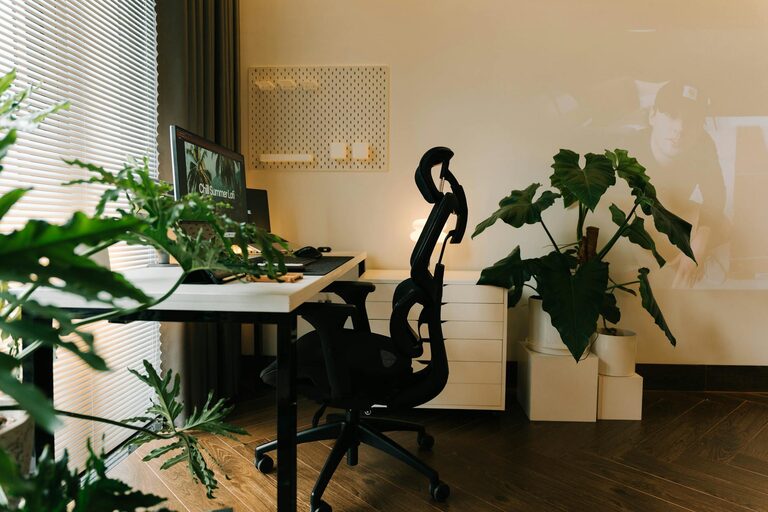
Creating a relaxing home workspace is essential for maintaining focus, reducing stress, and boosting overall productivity. Whether you spend a few hours or a full day working from home, your environment plays a crucial role in how effectively you can concentrate and feel comfortable. Here are some valuable tips to help you design a calming, inviting workspace that supports your work and wellbeing.
Choose the Right Location
Choosing the right spot in your home for your workspace sets the tone for your productivity. Here’s what to consider:
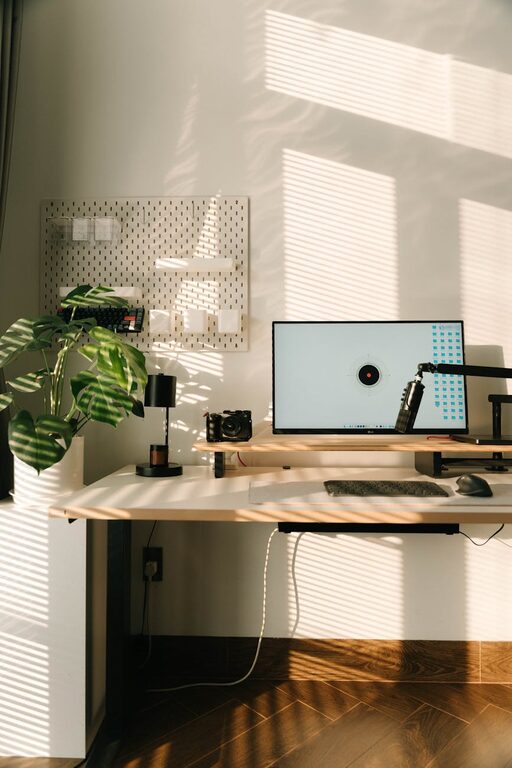
– Natural Light: Select an area with plenty of natural light. Sunlight improves mood and alertness, making tasks feel less strenuous.
– Quiet Space: Find a location away from household noise or distractions, such as a spare room or a corner that’s less trafficked.
– Ventilation: Good airflow keeps the space fresh and can help you stay alert.
If a dedicated room isn’t available, designate a specific nook solely for work to mentally separate work time from relaxation time.
Invest in Comfortable and Ergonomic Furniture
Comfort is key to staying focused and avoiding fatigue. Ergonomic furniture supports long hours of work without causing strain.
– Desk: Choose a desk with enough surface space to hold your computer, notes, and any other tools you need.
– Chair: An adjustable chair with lumbar support encourages good posture and reduces the risk of back pain.
– Alternate Options: Consider standing desks or desk converters to vary your position throughout the day.
Remember to set your chair and desk height so your feet rest flat on the floor and your forearms are parallel to the desk.
Reduce Clutter for a Clear Mind
A tidy space contributes to a clear mind. Clutter can be distracting and increase stress.
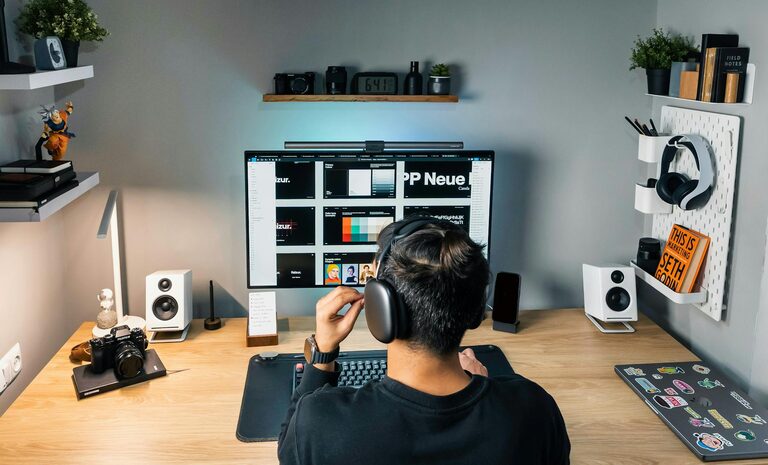
– Organizers and Storage: Use drawers, shelves, or desk organizers to keep supplies and paperwork neatly stored.
– Daily Clean-Up: Spend a few minutes each day tidying your workspace to maintain order.
– Digital Declutter: Organize your digital files and keep your desktop free of unnecessary icons.
By minimizing clutter, you create an environment that invites focus and calm.
Personalize Your Workspace Thoughtfully
Adding personal touches makes your workspace feel welcoming but avoid overdoing it.
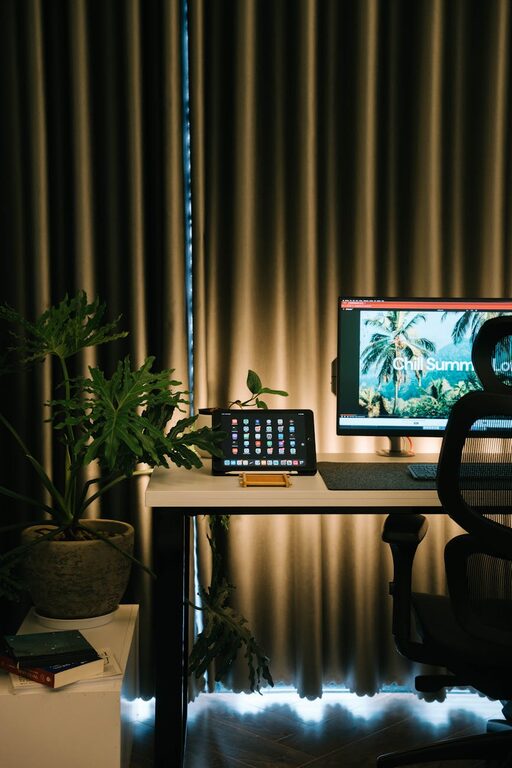
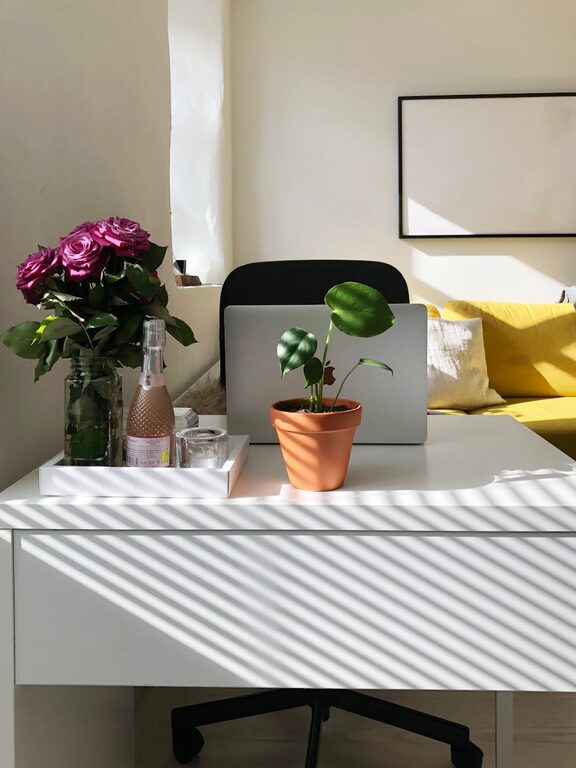
– Plants: Small indoor plants not only beautify the space but also improve air quality and reduce stress.
– Artwork or Photos: Display a few inspiring images or calming artwork that motivates you.
– Colors: Choose soothing colors such as soft blues, greens, or neutrals for your workspace to promote relaxation.
Personalizing your workspace in moderation fosters a pleasant atmosphere without overwhelming it.
Control Light and Screen Glare
Lighting affects comfort and productivity significantly.
– Adjustable Lighting: Have a combination of natural light and adjustable artificial light. Use desk lamps with soft, warm bulbs to reduce eye strain.
– Screen Position: Position your computer screen to avoid glare from windows or overhead lights. Using an anti-glare screen protector can also help.
– Breaks from Screens: Follow the 20-20-20 rule—every 20 minutes, look at something 20 feet away for 20 seconds to reduce eye fatigue.
Well-managed lighting creates a comfortable setting and helps maintain your energy levels.
Incorporate Calming Elements and Break Areas
Adding elements that help you relax during breaks can improve your productivity.
– Aromatherapy: Using essential oils like lavender or eucalyptus can create a calming effect.
– Comfort Items: A cozy blanket or cushions can make your breaks more restorative.
– Mini Break Space: If possible, have a small area nearby to stand, stretch, or meditate briefly.
Regular, mindful breaks in a relaxing environment help you recharge and return to work refreshed.
Manage Noise Levels
Noise can be distracting or even exhausting.
– Noise-Cancelling Headphones: Useful for blocking out background noise if you cannot work in silence.
– White Noise or Soft Music: Consider playing gentle instrumental music or white noise to improve concentration.
– Soundproofing: Adding rugs, curtains, or wall panels can help absorb noise and create a quieter workspace.
Finding ways to control your auditory environment supports sustained focus and reduces stress.
Establish a Routine and Boundaries
Creating a routine and clear boundaries reinforces the purpose of your workspace and helps your mind switch between “work mode” and “home mode.”
– Work Hours: Set consistent start and end times for your workday.
– Break Schedule: Incorporate regular breaks to rest your mind and body.
– Separate Work and Leisure: Avoid working from spaces you associate with relaxation to help maintain balance.
A clear routine helps maintain productivity while preserving your work-life balance.
—
Creating a relaxing home workspace doesn’t have to be complicated or expensive. By thoughtfully arranging your surroundings, prioritizing comfort, and managing distractions, you can build an environment that promotes both well-being and productivity. Start with small changes and tailor your space to what makes you feel calm and focused — your perfect home workspace is within reach!