
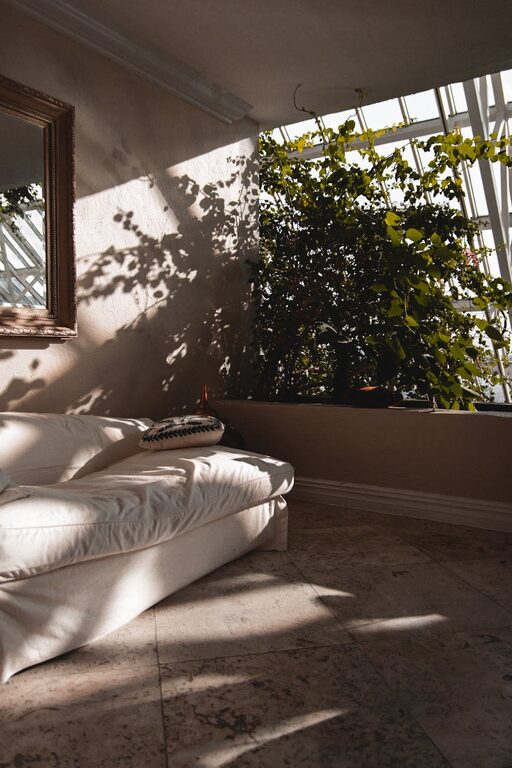
Creating a relaxing home environment is essential for boosting your overall well-being. In today’s busy world, your home should be a sanctuary where you can unwind, recharge, and feel at peace. Small, intentional changes to your living space can make a big difference in how you feel each day. This guide offers practical tips to help you transform your home into a calming retreat.
Why a Relaxing Home Matters
Our environment deeply influences our mood and mental health. A cluttered, noisy, or poorly lit space can increase stress and anxiety. Conversely, a well-designed and peaceful home encourages relaxation, restful sleep, and a positive mindset. Taking steps to make your home more inviting and soothing supports your emotional balance and helps you enjoy daily life more fully.
Step 1: Declutter and Organize
Clutter can overwhelm the senses and contribute to feelings of stress. Here’s how to tackle clutter effectively:
– Start small: Pick one room or even one corner each day to organize.
– Sort items: Create piles to keep, donate, or discard.
– Use storage wisely: Invest in baskets, shelves, and containers to keep things tidy.
– Keep surfaces clear: Maintain open counter and table space to create a sense of calm.
Organizing your belongings not only creates a cleaner space but also reduces mental clutter, making it easier to relax.
Step 2: Choose Calming Colors
Color greatly impacts mood. Choosing the right palette can promote serenity:
– Soft neutrals: Colors like beige, soft white, and light gray bring a soothing feel.
– Pastels: Pale blues, greens, and lavenders help reduce tension.
– Avoid bright, intense colors in large areas, as they can be stimulating or overwhelming.
You don’t need to repaint every wall; adding cushions, curtains, or artwork in these colors can also enhance calmness.
Step 3: Maximize Natural Light
Natural light refreshes and uplifts. Consider these tips:
– Open curtains and blinds during the day to let sunlight in.
– Use sheer curtains for privacy without blocking light.
– Place mirrors opposite windows to reflect more light.
– If your space is dim, adding full-spectrum bulbs can mimic daylight indoors.
Good lighting supports your body’s natural rhythms, improves mood, and helps you feel more awake.
Step 4: Incorporate Soft Textures
Soft textures contribute to a cozy, inviting atmosphere:
– Add plush pillows and throws on sofas and chairs.
– Use area rugs to soften hard floors and add warmth.
– Choose furniture with comfortable, tactile fabrics like cotton or linen.
– Include natural materials such as wood, wool, or cotton for an earthy touch.
Textures appeal to your sense of touch and can increase feelings of comfort and ease.
Step 5: Bring Nature Inside
Plants and natural elements have calming effects and improve air quality:
– Add easy-care houseplants such as pothos, snake plants, or succulents.
– Use fresh flowers for color and a pleasant scent.
– Display natural objects like stones, shells, or wood art pieces.
– Consider a small indoor water feature or fountain for soothing sounds.
Being close to nature indoors helps reduce stress and fosters a peaceful vibe.
Step 6: Create Zones for Relaxation
Designate specific areas in your home for unwinding:
– A reading nook with a comfy chair and good lighting.
– A meditation or yoga corner with a mat, cushions, or candles.
– A small music space with speakers or instruments.
– Keep these zones clutter-free and stocked with items you enjoy.
Having special places to retreat encourages regular relaxation habits.
Step 7: Use Soothing Scents
Aromatic influences can deeply affect your mood:
– Use essential oil diffusers with calming scents like lavender, chamomile, or eucalyptus.
– Burn natural candles or incense with subtle fragrances.
– Freshen your space with herbs like rosemary or mint.
Choose scents that you find comforting and avoid overpowering smells.
Step 8: Minimize Noise Distractions
Noise can disrupt tranquility, so consider:
– Using soft background music or nature sounds to mask harsh noise.
– Adding rugs and fabric items to absorb sound.
– Installing door seals or heavy curtains to block exterior noise.
– Using earplugs or white noise machines if needed.
A quieter environment helps your mind rest more deeply.
Step 9: Practice Daily Maintenance
Maintaining a relaxing home requires consistent effort:
– Set aside time each day for tidying up.
– Regularly clean surfaces to keep the space fresh.
– Rotate decor or plants to keep the environment interesting.
– Incorporate mindful routines like lighting a candle or opening a window each morning.
Small daily habits ensure your home stays inviting and peaceful.
—
Creating a home environment that nurtures your well-being is a rewarding project. By focusing on organization, color, light, texture, nature, scent, and noise, you can design a space that helps you unwind and recharge. Start with a few changes today and enjoy the lasting benefits of a calm, comfortable home.