
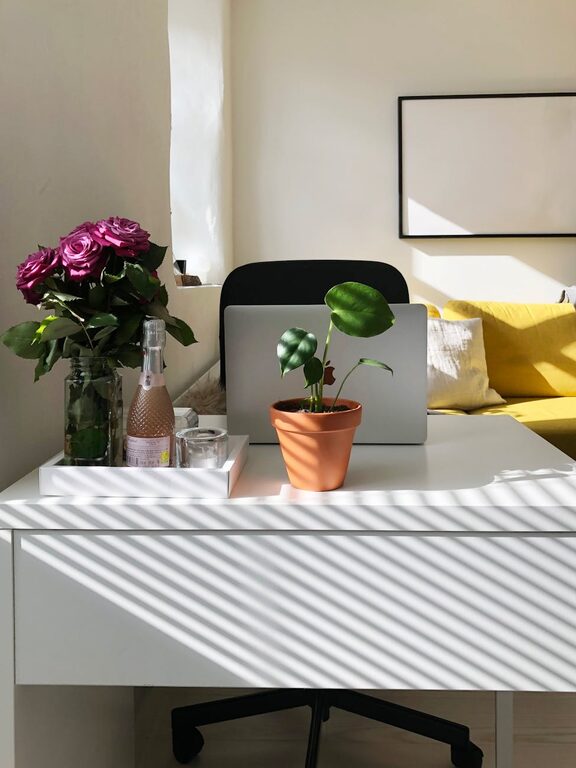
Setting up a home office that promotes relaxation and productivity is essential for anyone working remotely or spending a significant amount of time at home. A calming environment can reduce stress, improve concentration, and help you maintain a healthy work-life balance. In this post, we’ll explore practical tips to create a home office space that supports your well-being and boosts your efficiency.
1. Choose the Right Location
Selecting the best spot in your home for your office is the first step toward a productive setup. Ideally, find a quiet area with minimal distractions and good natural light. This could be a spare room, a corner of your living room, or even a section of your bedroom.
Consider these factors:
– Noise levels: Choose a place away from household noise or traffic.
– Lighting: Natural daylight helps regulate your body clock and makes the space more inviting.
– Privacy: A space that allows you to focus without interruptions is crucial.
If you have limited options, consider noise-cancelling headphones or a room divider to create a distinct work zone.
2. Invest in Comfortable and Ergonomic Furniture
Comfort plays a big role in how relaxed and productive you feel while working. Ergonomic furniture helps prevent discomfort and fatigue, allowing you to focus longer.
Key furniture elements include:
– Ergonomic chair: Supports your back and encourages good posture.
– Adjustable desk: Allows you to switch between sitting and standing.
– Proper desk height: Helps keep your wrists and arms in a comfortable position while typing.
Don’t hesitate to add supportive cushions or footrests if needed.
3. Create a Pleasant Visual Environment
Clutter and disorganized spaces can increase stress and distract you from work. A visually calming environment encourages focus.
Tips for improving visual appeal:
– Declutter regularly: Keep only essential items on your desk.
– Use calming colors: Soft shades of blue, green, or neutrals promote relaxation.
– Add plants: Indoor plants improve air quality and add a touch of nature.
– Incorporate personal touches: Photos, artwork, or inspiring quotes can make the space enjoyable.
A tidy, personalized workspace feels inviting and motivates you to start your tasks.
4. Optimize Lighting
Good lighting reduces eye strain and improves mood. Where possible, position your desk near a window to benefit from daylight.
Lighting suggestions:
– Task lighting: Use a desk lamp to illuminate your work area.
– Avoid glare: Arrange monitors perpendicular to windows to reduce reflection.
– Use warm bulbs: Soft, warm light helps keep your environment cozy without feeling harsh.
Adjust lighting to suit the time of day and the kind of work you’re doing.
5. Incorporate Soothing Sounds or Silence
Sound can influence your concentration and stress levels. Determine which type of audio environment helps you work best.
Options include:
– White noise machines: Mask distracting noises.
– Nature sounds: Gentle rain, birdsong, or ocean waves can soothe.
– Soft instrumental music: Helps maintain focus without overwhelming.
– Silence: Sometimes, quiet is the best way to concentrate.
Experiment to find what works best for you.
6. Manage Temperature and Air Quality
A comfortable temperature and fresh air support alertness and comfort during work.
Suggestions:
– Maintain a moderate temperature: Around 68-72°F (20-22°C) is generally comfortable.
– Ventilate regularly: Open windows or use air purifiers.
– Use a fan or heater: Adjust based on the season to keep the room cozy.
Good air quality and climate control reduce fatigue and headaches.
7. Arrange Your Desk for Efficiency
An organized desk layout minimizes distractions and makes it easy to find what you need.
Desk organization tips:
– Keep essentials within reach: Pens, notebooks, and devices.
– Use organizers: Drawers, trays, or cable management tools.
– Limit electronics: Only keep devices that are necessary for work.
– Maintain a clear workspace: Helps your mind feel uncluttered.
Regularly spend a few minutes tidying your space to maintain order.
8. Schedule Breaks and Movement
Even the most relaxing environment won’t help if you sit in one place for hours.
Healthy work habits:
– Take short breaks every hour: Stand up, stretch, or walk around.
– Use reminders or apps: To encourage regular breaks.
– Practice deep breathing or mindfulness: Helps reduce stress during the day.
Moving regularly improves circulation and mental clarity.
9. Minimize Digital Distractions
Technology can both help and hinder productivity.
Tips for digital focus:
– Turn off non-work notifications: Social media and personal messages can wait.
– Use website blockers: Temporarily restrict distracting sites.
– Set clear work hours: Helps separate work time from personal time.
Creating boundaries with technology supports a relaxed and focused mindset.
—
Creating a relaxing home office environment doesn’t require a major overhaul. With thoughtful choices about location, furniture, lighting, and organization, you can develop a workspace that feels comfortable and energizing. Experiment with these tips to find the best combination that suits your needs, and watch your productivity and well-being improve.